-

-
-
Ground Floor: Marguo Collection
-
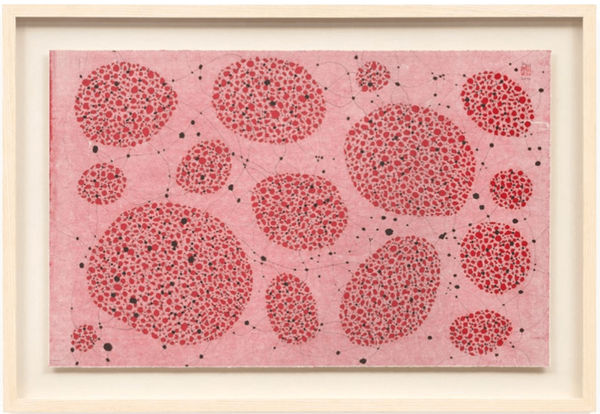
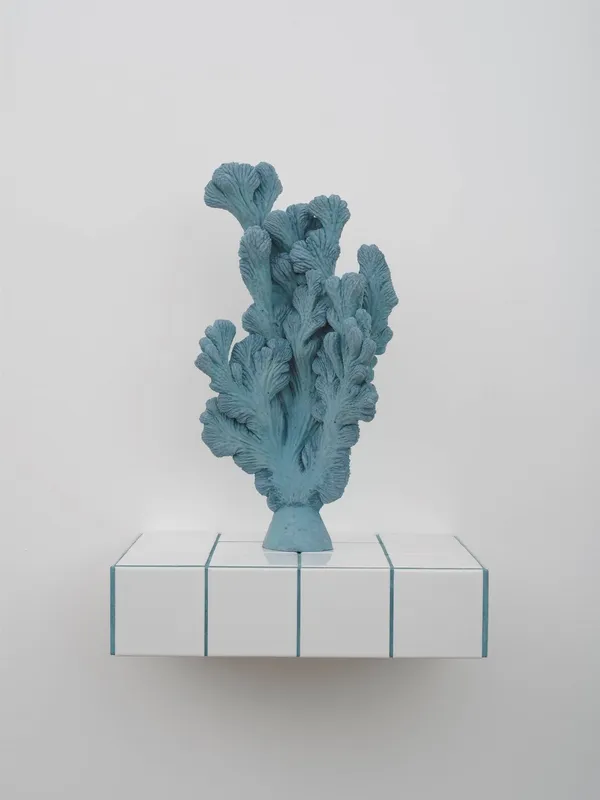
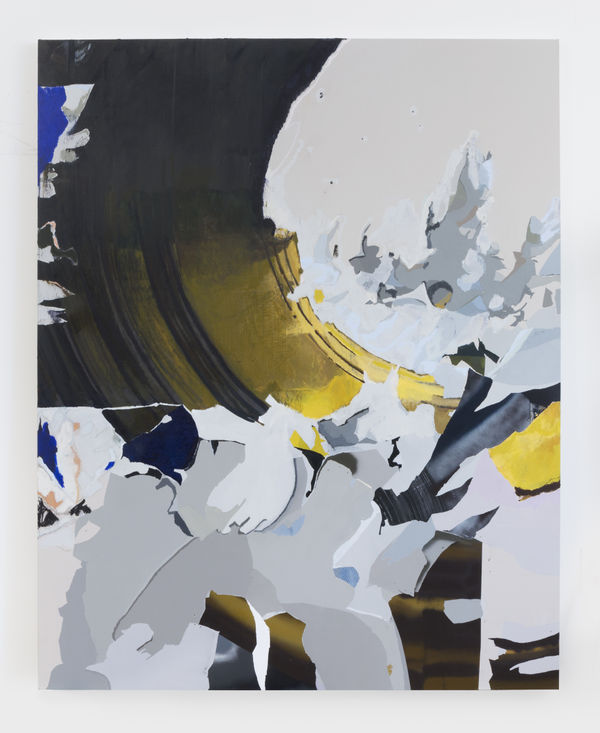
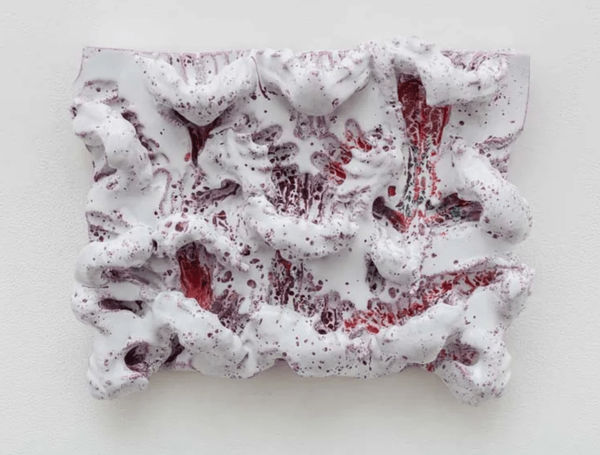
Designed as an introduction, the ground floor of the townhouse presents a selection of artworks from the Marguo collection sprawled across an active domestic environment in which visitors are invited to gather and exchange and find respite from the bustle of the island.Featuring works made within the last five years in various media spanning painting, drawing, sculpture, and ceramics, Home Run considers the art historical tradition of genre painting through a contemporary lens. Genre painting refers to the pictorial representation of scenes from everyday life ('petits genre') and 'grands genre', referring to historical and religious paintings and portraits of dignified subjects.
-
-
-
-
The usual subjects associated with genre painting are present in Home Run: animals, wildlife and flora, elements and materials of the natural world, familiar depictions of anonymous individuals, but also vibrant expressions of inner life, and the mundane phenomena of everyday life itself, manipulated and transformed through the material experimentation.
The act of consecrating time and materials to mundane or profane scenes characteristic of genre painting is demonstrative of a certain high-low subversion, reflected here in the exhibition site, where the lines between public and domestic space are blurred. It gave primacy to common materials and quotidian experiences and challenged the conventions of 'high art' to reflect the daily environments, textures, and labors of which lived experience consists of. -
-
-
-
-
-
-
On the upper levels of the house, Miranda Fengyuan Zhang, Yang Semine, and Ziping Wang respectively explore and experiment with both ancient and modern technologies, developing processes of weaving, transparency, and visual assemblage to simultaneously harness and deconstruct the worlds around them.
-
1st Floor: Miranda Fengyuan Zhang
-
In Miranda Fengyuan Zhang's work, material dominates, and ideas follow. She perceives the color, texture and temperature of the wool and lets the material tolled the way to mystical enlightenment. Her work creates a Garden of Eden, where she emerges herself in a kingdom of colors, cool evenings in the desert, or quiet afternoons over the lake. She further extends the palace of her memories to capture the hidden power within seemingly mundane objects.Like traditional Chinese ink paintings, Zhang’s way of working does not allow fixing or adjusting but rather is an improvised process led by momentary inspiration and technical skills. Although the works do not portray the East, her artistic thinking is innately Eastern.
-
-
-
-
2nd Floor: Yang Semine
-
For Casa Marguo's inaugural exhibition, Yang presents a new series of paintings showing, among other subjects, the composition of Koi fish in ponds, reminiscent of colorful Matisse-like dance parties. Located between graphic, decorative motifs, and historical Asian ink paintings, her bright compositions have a seasonal character that ties together subjects and colors related to different moments of the year.
-
-
Yang's practice is shaped by an interest in the natural world and our inextricable place in its ecology. The themes of metamorphosis, repetition, and difference are particularly present in her Dragonfly series, a meditation on light, color, weight, volume, transparency, and form – the fundamentals of painting. Yang’s compositions often begin as digital drawings rendered on tablets before they are translated back into the material and organic world, wherein they become a surface for the artist’s associative and intuitive experimentations.
-
-
THIRD FLOOR: ZIPING WANG
-
Drawing on the visual languages of advertising and illustration, Ziping Wang is inspired by 'the elusive nature of modified reality', and the overwhelming experience of living within an attention economy in the digital era, in which we are relentlessly bombarded by pop-ups, banners, notifications, and endlessly refreshing feeds.Visually seductive food packaging often serves as the starting point for Wang’s vivid, painstakingly painted compositions that combine a wide array of references and styles, from cartoonish renderings of food to traditional Chinese and Japanese decorative motifs, Old Master still lifes, and geometrically patterned forms similar to those found in photo-editing software.
-
-
-







Subscribe Newsletter
Be the first to know about new exhibitions, artist updates, as well as books and more. Sign up for our newsletter below.